
Embracing Potential
In the fast-paced and ever-evolving world of technology, the traditional approach to hiring, which prioritizes "exact matches" to job descriptions, may be inadvertently stifling innovation and hindering long-term growth for organizations. While the comfort of a seemingly seamless onboarding process for candidates with identical skillsets and experiences is undeniable, the potential contributions of individuals with diverse backgrounds and a proven ability to learn and adapt should not be underestimated.
The Pitfalls of the "Exact Match" Mentality
The "exact match" hiring strategy, often favored by hiring managers seeking a quick and efficient solution to fill vacancies, is rooted in the belief that candidates who have performed similar roles in the past will require minimal training and ramp-up time. This approach, however, overlooks the immense value that candidates from slightly different backgrounds can bring to an organization.
Firstly, individuals with diverse experiences and perspectives are more likely to introduce innovative ideas and challenge the status quo. Albert Einstein once said, "The measure of intelligence is the ability to change." In the context of the modern workplace, this suggests that employees who can adapt their skills and knowledge to new challenges are more likely to drive innovation and contribute to the long-term success of an organization.
Secondly, the "exact match" mentality can lead to a lack of diversity in the workplace, which can stifle creativity and hinder problem-solving. A study by McKinsey & Company found that companies in the top quartile for ethnic and cultural diversity on executive teams were 33% more likely to have industry-leading profitability[1]. This suggests that a diverse workforce, comprised of individuals with varying backgrounds and experiences, is more likely to generate innovative ideas and achieve superior financial performance.
Moreover, a homogenous workforce can lead to stagnation and a lack of fresh perspectives. Innovation often arises at the intersection of different cultures and disciplines, as individuals bring unique insights and approaches to problem-solving. By hiring candidates from diverse backgrounds, organizations can tap into a wider pool of knowledge and experience, fostering a culture of creativity and collaboration.
Finally, focusing solely on "exact matches" can result in missed opportunities to hire candidates with exceptional potential who may not have followed a traditional career path. For instance, individuals with strong backgrounds in computer science or other technical fields may possess the ability to quickly learn and adapt to new technologies and environments, even if they lack direct experience in a specific role. By prioritizing adaptability and learning potential, organizations can unlock hidden talent and foster a culture of continuous learning and growth.
The Advantages of Hiring for Adaptability and Learning
In contrast to the "exact match" approach, hiring for adaptability and learning prioritizes candidates who demonstrate a strong ability to acquire new skills and knowledge, even if their backgrounds may not perfectly align with a specific job description. This approach offers several key advantages for organizations seeking long-term success.
Firstly, individuals with a proven track record of learning and adapting are more likely to thrive in a rapidly changing work environment. The World Economic Forum's "The Future of Jobs Report 2023" predicts that by 2025, over half of all employees will require significant reskilling and upskilling [2]. By hiring candidates who are comfortable with change and eager to learn, organizations can build a workforce that is prepared to navigate the challenges of the future.
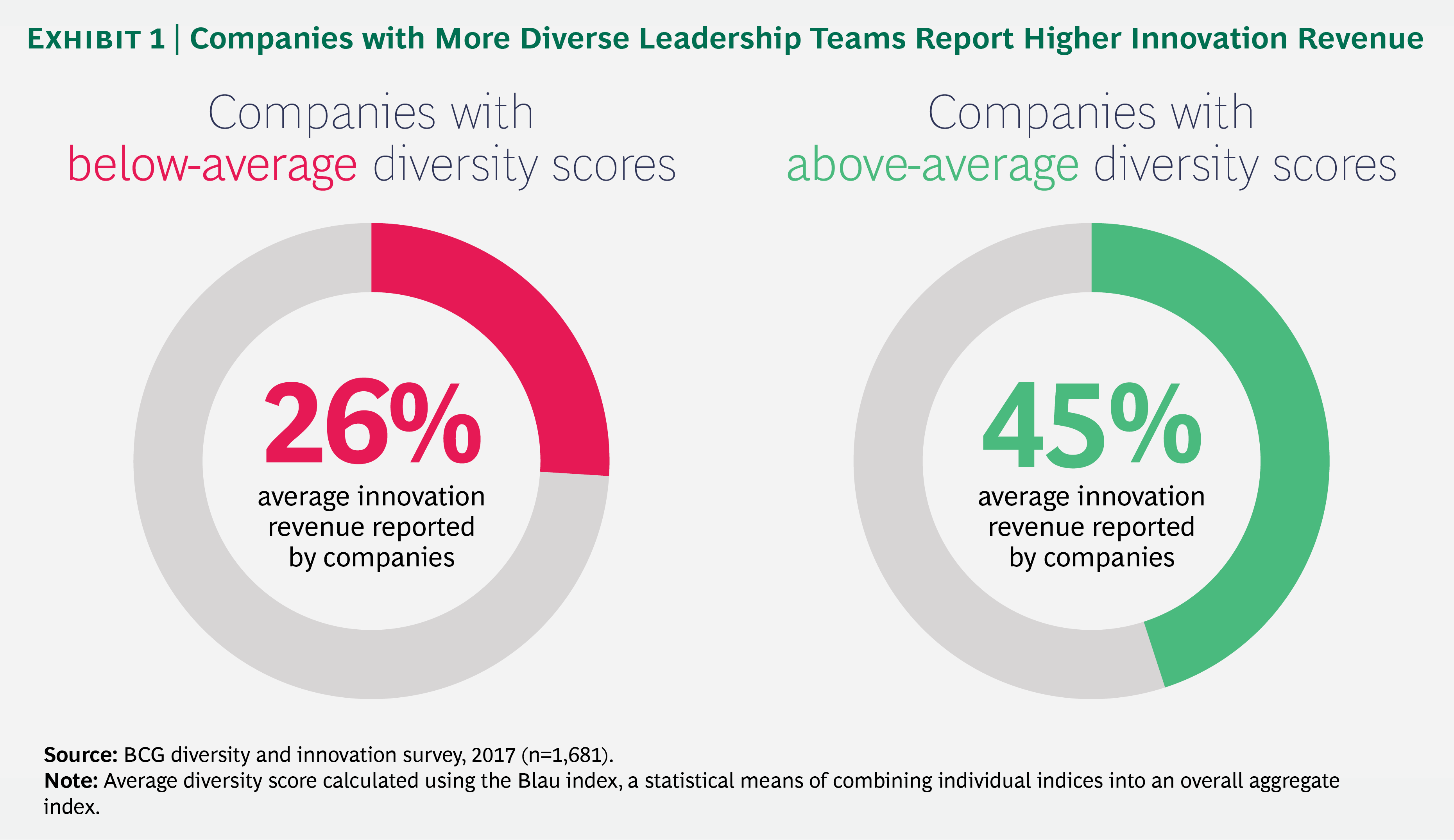
Secondly, candidates from diverse backgrounds can bring fresh perspectives and innovative ideas to an organization. A study by Boston Consulting Group found that companies with above-average diversity on their management teams reported innovation revenue that was 19 percentage points higher than that of companies with below-average leadership diversity [3]. This suggests that a diverse workforce, comprised of individuals with varying backgrounds and experiences, is more likely to generate innovative ideas and drive business growth.
Finally, hiring for adaptability and learning can foster a culture of continuous learning and development within an organization. When employees are encouraged to learn and grow, they are more likely to be engaged and motivated, which can lead to improved productivity and retention. A study by Deloitte found that organizations with a strong learning culture are 92% more likely to develop innovative products and processes, 52% more productive, and 37% more profitable [4].
Conclusion
In today's rapidly changing world, the ability to learn and adapt is more critical than ever. Organizations that prioritize these qualities in their hiring processes are more likely to attract and retain top talent, foster a culture of innovation, and achieve long-term success. By embracing potential and looking beyond the limitations of the "exact match" mentality, hiring managers can unlock hidden talent and build a workforce that is prepared to navigate the challenges of the future.
This conclusion has significant implications for job matching engines like LinkedIn. These platforms should evolve beyond merely matching keywords and job titles. They should incorporate factors like learning agility, adaptability, and potential into their algorithms. This would enable them to identify candidates who might not have the exact experience listed in a job description but possess the transferable skills and the eagerness to learn and grow into the role. Such an approach would benefit both employers and job seekers, leading to a more dynamic and fulfilling job market.
References